
Studio room essentials: layout, packing, and booking tips
Explore studio room with practical guidance, key questions, and clear next steps before you contact Briarcliff Motel or make a decision.
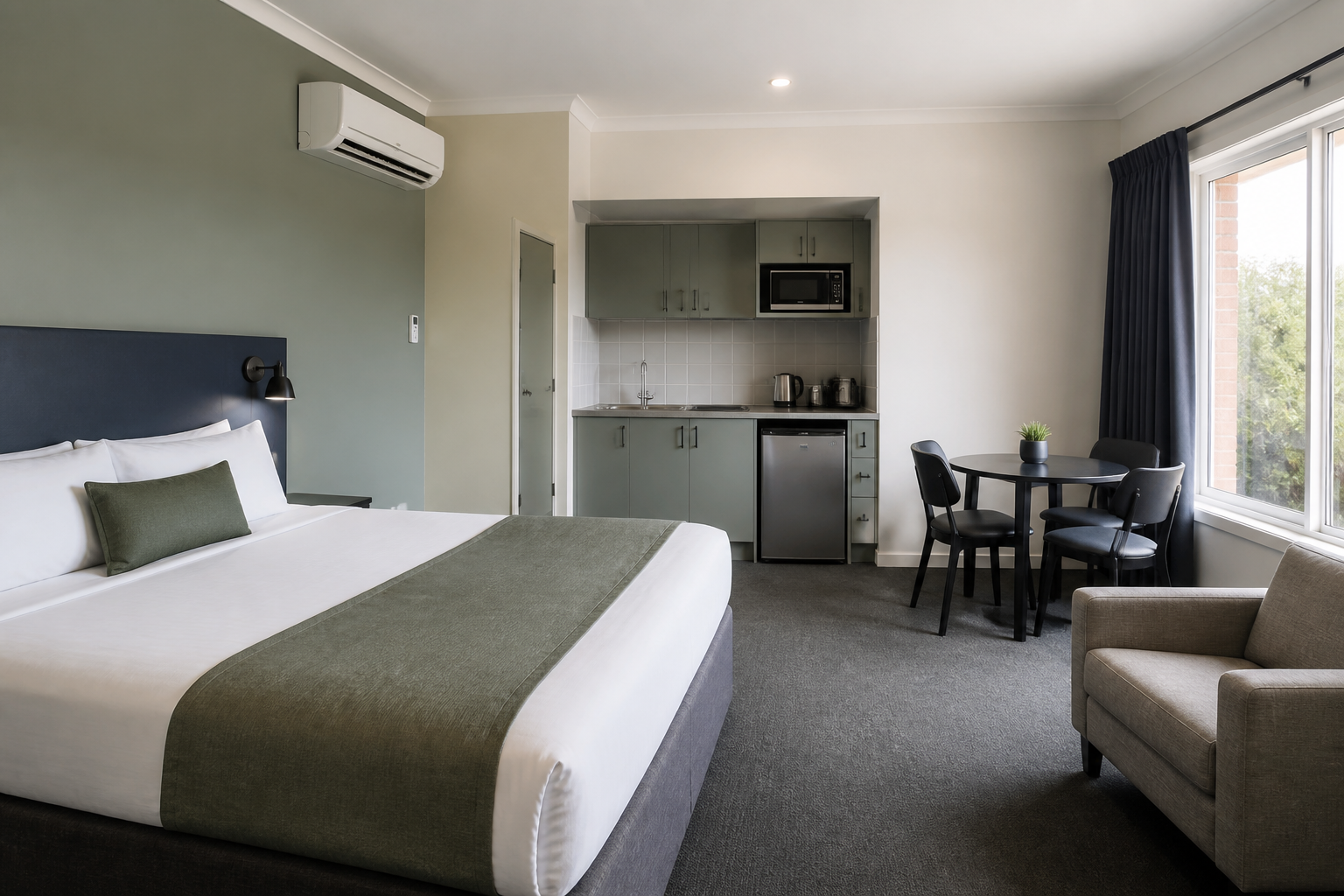
Studio room essentials: layout, packing, and booking tips
A studio room can be a smart, budget-conscious choice for travelers and short-term renters who want comfort in a compact footprint. This guide explains what a studio room typically includes, how to assess one before you reserve, and how to organize your space once you arrive. You’ll also find packing strategies, layout ideas, and answers to common questions so you can feel prepared—whether you’re booking for a single night, a long weekend, or a multi-week stay.
What is a studio room?
A studio room is a single, self-contained living space that combines multiple functions—sleeping, lounging, working, and sometimes light dining—into one primary room. It may include an attached bathroom and, depending on the property, a kitchenette area or small wet bar. What distinguishes a studio from larger room types is the absence of separate, full-size rooms (for example, no walled-off bedroom or living room). The result is a simple, efficient layout that’s typically easier on the budget and quicker to keep tidy.
While details vary by property, here are common traits you might find:
- One main space that accommodates the bed, a small table or desk, and seating.
- Compact storage solutions such as a wardrobe, dresser, or under-bed space.
- A private bathroom adjacent to the main room.
- Optional kitchenette features (mini-fridge, microwave, kettle, or sink) when provided by the property.
In short, a studio room focuses on essentials, trading expansive square footage for simplicity and value. If you plan well, that single space can feel surprisingly versatile.
How to assess a studio room before booking
Because studio layouts and amenities vary, it helps to evaluate a few specifics before you confirm a reservation. Use this checklist to compare options and make sure the space fits your needs:
- Bed configuration: Verify bed size and number (e.g., queen vs. king, or one bed vs. two). If you’re tall or sharing, dimensions matter.
- Workspace: If you plan to read, work, or plan itineraries, confirm there’s a usable surface (desk or table) and adequate lighting.
- Kitchenette basics: If you expect to prepare light meals, check which appliances are included and whether there’s a sink vs. just a wet bar.
- Storage capacity: Look for a wardrobe, hanging rack, dresser drawers, or shelves. Even a luggage bench can help keep the floor clear.
- Climate control: Ensure there’s reliable heating and/or cooling appropriate to the season of your stay.
- Noise considerations: Ask about room placement, insulation, or white-noise options if you’re a light sleeper.
- Natural light and privacy: Windows make compact spaces feel larger. Confirm there are curtains or shades that fully close.
- Electrical access: Count outlets near the bed and desk for charging devices.
- Bathroom setup: Note whether it has a shower or tub, space for toiletries, and hooks or racks for towels.
- Accessibility needs: If required, confirm ground-floor access, step-free entry, or other accommodations offered by the property.
- Parking or transit fit: If you’re driving, ask about parking logistics; if arriving by transit, check proximity to stops or ride-share pickup areas.
When comparing listings, pay attention to floor plans and recent photos where available. Those visuals often reveal furniture scale, walking clearances, and whether there’s room for an open suitcase without blocking a walkway.
Smart layout ideas for a studio room
You can make a studio room feel bigger simply by defining zones and keeping circulation paths open. Even small shifts—like repositioning your suitcase or moving a chair—can unlock more comfort.
- Define three zones: Create a simple mental map: sleep (bedside), work/dine (table or desk), and storage (closet or a dedicated luggage spot). Keeping items in their zone reduces clutter creep.
- Protect the entry path: Keep the walkway from the door to the bed and bathroom clear. This makes the room feel orderly and prevents midnight toe stubs.
- Float the suitcase: Use a luggage rack or bench if available. If not, place your suitcase near a wall or under a desk so it doesn’t dominate the center of the floor.
- Use vertical surfaces: Doors and walls can host hooks, over-the-door organizers, or hanging toiletry kits, freeing drawer space for clothes.
- Optimize the bedside: Consolidate everyday items—phone, glasses, book, earplugs—on a tray or a reusable pouch, so the nightstand stays tidy.
- Stack and nest: Nest smaller bags inside larger ones, and fold spare blankets at the foot of the bed to open up seating.
- Curate a mini kitchen zone: If there’s a mini-fridge or microwave, cluster snacks, mugs, and utensils on a single tray. That way, cleanup is one lift-and-wipe.
- Stage a drop zone: Dedicate a spot near the door for keys, wallet, and daily passes. You’ll leave faster each morning and avoid last-minute scrambles.
Think of the room as a small toolkit. The more each item has a defined home, the more relaxed and open the space will feel.
Packing strategies for a studio room stay
Smart packing pays off in a studio. With fewer cubic feet to work with, every ounce and inch counts. Consider the following approach:
- Go capsule with clothing: Pick a limited color palette so tops, bottoms, and layers mix-and-match. Aim for 3–4 outfits that can stretch with laundry or spot-cleaning.
- Prioritize multi-use layers: A midweight jacket that doubles as a pillow on transit, or a scarf that works for warmth and style, reduces bulk.
- Choose compact toiletries: Travel-size bottles, a solid shampoo bar, and a hanging toiletry kit keep the vanity clutter-free.
- Right-size electronics: Bring a single multi-port charger rather than several bricks, and pack a short extension with USB-A/USB-C if needed.
- Contain the little things: Pouches for cables, meds, and small tools keep drawers organized and make checkout simpler.
- Footwear discipline: Limit to two to three pairs: everyday walking shoes, one activity-specific pair (e.g., trail or dress shoes), and optional sandals/slippers.
- Laundry plan: A compressible laundry bag separates worn items and keeps the main space fresh.
If you’re staying longer, think about small comforts that don’t sprawl. A compact reading light, a fold-flat tote for groceries, or a collapsible water bottle can add convenience without eating space.
Cleaning and living comfortably in a studio room
Life in a studio room is smoother when you maintain a light routine. A few minutes daily saves you from an overwhelming reset later:
- Daily reset: Make the bed, empty the trash if a bin is full, and put items back in their zones. The visual calm makes the room feel larger.
- Air and light: If possible, open curtains during the day. Natural light reduces the boxed-in feeling typical of tighter layouts.
- Surface sweep: Use a microfiber cloth to quickly wipe the desk, bedside, and any kitchenette area before or after use.
- Moisture management: Hang towels between uses and keep the bathroom fan on after showers to curb humidity in a compact space.
- Food etiquette: Consolidate snacks to a single tray or container and seal anything aromatic to avoid lingering smells.
These small habits help keep the studio functional and comfortable, especially if you’re working remotely or spending more time indoors between outings.
Who a studio room works best for
While anyone can make good use of a studio, certain travelers may find it especially fitting:
- Solo travelers: The one-room layout is easy to manage and often offers strong value.
- Couples on short stays: A streamlined footprint is fine for weekend getaways or quick trips where you’re mostly out and about.
- Workcationers: If you need a reliable desk surface and good Wi‑Fi, a studio can be a productive base—especially with a tidy routine.
- Minimalist packers: If you travel light, the space feels ample and uncluttered.
If you’re traveling with a larger family group, carrying specialty gear, or planning to cook frequently, compare a studio room with larger room types or adjoining options to ensure everyone stays comfortable.
Common pitfalls and how to avoid them
Compact spaces reward a little forethought. Avoid these common issues:
- Overpacking: Bringing too many outfits or shoes leads to floor clutter. Edit once, then edit again.
- Ignoring outlet availability: Arrive with a small multi-port charger to keep the nightstand from becoming a tangle.
- Unclear meal plans: If your stay hinges on eating in, confirm kitchenette details in advance; otherwise, default to shelf-stable snacks and simple no-cook items.
- Blocking circulation: Place luggage along a wall, not in the main walking path.
- Underestimating storage: Use vertical solutions—hooks, over-door organizers, and the inside of luggage lids—to add pseudo-shelves.
Studio room checklist
Save or screenshot this pre-trip list to streamline your planning:
- Confirm bed size and number
- Verify desk/table and lighting
- Check climate control and windows/shades
- Ask about kitchenette appliances (if needed)
- Count power outlets near bed and desk
- Assess storage: closet, drawers, hooks
- Clarify parking or transit logistics
- Pack: capsule wardrobe, multi-port charger, hanging toiletry kit, compact laundry bag, collapsible tote
FAQ
Is a studio room big enough for two people?
Often, yes—especially for short stays. Comfort depends more on layout and your routines than a specific square footage. If you’re bringing large luggage or plan to spend significant time inside, verify storage options and the availability of a small table or desk in advance.
What’s the difference between a studio room and a suite?
A studio room combines sleeping and living into one primary space, with a bathroom attached. A suite typically separates spaces—such as a dedicated bedroom plus a living room—and may include more extensive kitchen facilities. Studios emphasize efficiency; suites emphasize separation and additional room to spread out.
Can I cook in a studio room?
That depends on the property. Some studios include a kitchenette with a mini-fridge and microwave or a small sink, while others may offer only a coffee maker or kettle. If cooking matters to you, confirm appliances and any cooking restrictions before booking.
How do I keep a studio room from feeling cluttered?
Use zones, keep your suitcase off the main floor path, rely on vertical storage (hooks, over-door organizers), and reset daily. A compact routine—bed made, surfaces wiped, items returned to their zone—goes a long way.
Next steps
Plan your stay
Make Briarcliff Motel your basecamp.