
A Practical Guide to Simple Rooms
Explore simple rooms with practical guidance, key questions, and clear next steps before you contact Briarcliff Motel or make a decision.
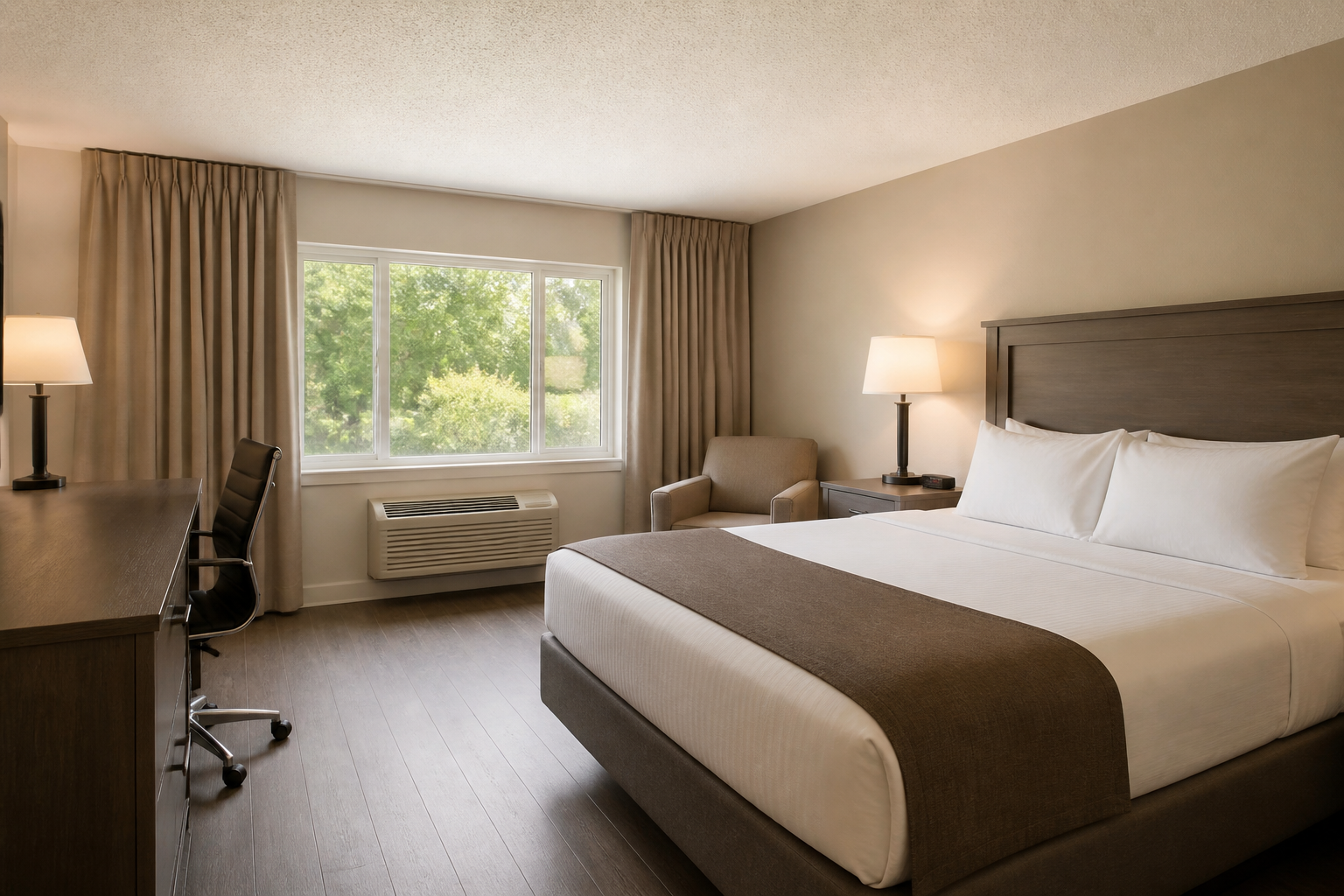
A Practical Guide to Simple Rooms
Simple rooms are calm, clutter-free spaces that prioritize what you use every day and remove what you don’t. Whether you’re setting up a bedroom, guest room, studio, or evaluating lodging while traveling, simplicity helps you rest better, tidy faster, and enjoy spaces that work without fuss. This guide offers practical frameworks, checklists, and step-by-step tips to plan, furnish, and maintain simple rooms that feel warm and lived-in—not bare or impersonal.
What makes a room simple?
A simple room is defined more by intention than by style. The goal is functional ease: everything has a clear purpose, and choices support daily routines. You can apply this to any aesthetic—from modern to rustic—by using a few universal principles:
- Clarity of purpose: Each room supports one or two primary activities (sleeping, working, unwinding) without competing extras.
- Essential furnishings only: Choose fewer, better pieces sized to the room, with comfortable circulation.
- Low visual noise: Use a restrained palette, limited patterns, and concealed storage to reduce clutter.
- Easy care: Surfaces and textiles that clean quickly and wear well.
- Consistent lighting: Layered lighting that covers ambient, task, and accent without glare.
Benefits of keeping it simple
Simplicity delivers tangible advantages you can feel and measure in daily life:
- Less decision fatigue: Fewer items mean faster morning and evening routines.
- Cleaner, faster: Open floors, right-sized furniture, and smooth surfaces speed up vacuuming and dusting.
- Better sleep and focus: Limited visual stimuli support relaxation and concentration.
- Flexible use: Neutral, modular pieces adapt as needs change (guest stays, hobbies, remote work).
- Budget control: Buying fewer items frees budget for quality where it matters most.
Plan the purpose and flow
Start on paper before moving furniture. Simple rooms begin with a clear job description and a realistic traffic map.
- Define primary function(s): Sleep only? Sleep + reading? Work + storage? Rank functions from most to least important.
- Plot movement: Mark entry points, windows, and doors. Leave 30–36 inches for main walkways and 18–24 inches around beds and seating where possible.
- Place the anchor first: Bed, desk, or sofa establishes the layout. Center it for symmetry or align it to free the longest walkway.
- Add only what supports the anchor: Nightstands, a chair, or a lamp—stop when the function is satisfied.
Furnishing essentials by room
Keep a short essentials list so your room remains lean and comfortable.
Bedroom essentials
- Bed and supportive mattress sized to the room (avoid crowding small spaces).
- Two lighting sources: a diffuse ambient light and a focused reading/task light.
- One or two nightstands or wall shelves sized to fit, with hidden cable management.
- Closet or dresser with drawer organizers to prevent surface clutter.
- One textile anchor: a rug sized to the bed or runners on each side for warmth.
Guest room or multipurpose room
- Daybed or sleeper sofa to toggle between seating and sleeping.
- Fold-away desk or wall-mounted drop leaf for occasional work.
- Hooks and a small luggage stand for short stays.
- Universal charging: a visible outlet strip or nightstand with USB/USB‑C.
Small living area or studio
- Compact sofa or two lounge chairs (choose one path: lounging or dining).
- Nesting or lift-top coffee table for dining and storage.
- One low media unit with concealed storage to hide cords and devices.
Storage without the bulk
Clutter creeps in when items lack a home. Use storage that disappears visually and supports daily habits:
- Under-bed drawers or lift-up bases keep out-of-season items close yet hidden.
- Wall shelves with doors or fabric panels to conceal mixed contents.
- Multifunction pieces: ottomans with storage, benches with cubbies, headboards with niches.
- Tray discipline: one tray per surface for remotes, glasses, and hand cream; when it’s full, put something away.
- Vertical thinking: a narrow wardrobe or tall bookcase often beats a wide dresser in tight rooms.
Color, materials, and texture
Simple doesn’t mean stark. Aim for contrast through texture rather than busy patterns:
- Palette: one light neutral for walls, one mid-tone for large furniture, and one accent color for textiles or art.
- Materials: mix matte and soft textures (cotton, wool, linen) with durable, easy-clean surfaces (laminate, sealed wood, metal).
- Patterns: limit to one subtle pattern (stripe or small geometrics) to avoid visual noise.
- Window treatments: choose light-filtering shades or simple drapes that fully clear the window when open.
Lighting that simply works
Three layers cover almost every need without complication:
- Ambient: ceiling fixture or floor lamp with a diffusing shade for even light.
- Task: reading sconces or desk lamps with focused beams.
- Accent: a small lamp or LED strip to soften corners and create evening calm.
Use warm-to-neutral color temperature for relaxation and put frequently used lights on simple switches or a single remote. Avoid complex smart setups unless they directly simplify daily use.
Small-space strategies
In compact rooms, every inch matters. These tactics preserve openness:
- Go vertical: tall bookcases, wall hooks, and peg rails free floor space.
- Float furniture: wall-mount a nightstand or desk to keep sightlines open.
- Choose legs: furniture with visible legs makes rooms feel lighter.
- Mirror placement: one medium mirror opposite a window brightens without clutter.
- Scale rugs: undersized rugs fragment the room; match the main seating or bed footprint.
Textiles for comfort and ease
Textiles add warmth and absorb sound, but they should be simple to maintain:
- Bedding: one all-season duvet or layered blanket system keeps making the bed quick.
- Pillows: two sleeping pillows per person plus at most two accent pillows.
- Rugs: low to medium pile that vacuums easily; washable runners where spills happen.
- Curtains: machine-washable panels or wipeable shades in kitchens and baths.
Maintenance in minutes
Simple rooms stay simple when care is routine and light. Consider a rhythm you can actually keep:
- Daily: two-minute reset—clear surfaces into trays or drawers, open a window for fresh air where possible.
- Weekly: vacuum floors and upholstered pieces; launder high-touch textiles.
- Monthly: edit one category (linens, cords, cosmetics) and remove duplicates.
- Seasonal: launder or rotate duvets and deep-clean under furniture.
Budgeting smart for simplicity
Because you’re buying fewer pieces, focus spending on high-impact items and save elsewhere:
- Invest: mattress and pillows, primary seating, daily-use lighting, and window shades that actually fit.
- Save: accent tables, decorative pillows, and storage bins that live inside cabinets.
- Stagger purchases: live with the basics for a month to learn what you truly miss.
- Set rules: for every new item, one old item leaves to maintain balance.
How to evaluate simple rooms when traveling
If you’re choosing pared-back lodging, a simple room should still meet core needs. Use this traveler’s checklist to make confident decisions:
- Essentials present: a comfortable bed, adequate lighting, and functional climate control or ventilation.
- Layout clarity: enough room to move around luggage and access outlets without rearranging furniture.
- Surface sanity: at least one clear surface near the bed and another near seating for keys, glasses, and devices.
- Charging and connectivity: visible outlets or bedside access for charging.
- Noise and privacy: appropriately fitted window coverings and solid door fit.
- Easy care cues: durable surfaces, uncluttered floors, and wipeable finishes suggest straightforward upkeep.
Quick-start room simplification
Transform any room in an afternoon with this focused sequence:
- Empty the surfaces: clear nightstands, dressers, and coffee tables into a single bin.
- Reset the anchor: center the bed or main seating; ensure pathways meet the spacing guidelines you set.
- Relight: swap one harsh bulb for a softer, diffused lamp; add a reading light if missing.
- Rebuild with limits: return only five everyday items to surfaces; everything else gets a drawer, hook, or donation box.
- Textile tune-up: smooth bedding, shake out the rug, and hang window coverings evenly.
- Label light: add discreet labels inside drawers to keep categories stable.
FAQ: Simple rooms
How can I keep a room simple without it feeling cold?
Balance restraint with texture. Keep the palette tight, but vary materials—pair a smooth wood nightstand with a woven basket, a knit throw, and a low-pile rug. Add one plant or a framed print for warmth without clutter.
What’s the minimum furniture for a comfortable bedroom?
In most cases: a bed with supportive mattress, two light sources (ambient and task), one small surface within arm’s reach, and concealed storage for clothing. Anything beyond that should serve a specific daily need.
How do I simplify if I rent or can’t mount shelves?
Choose freestanding pieces with vertical capacity (narrow wardrobes, bookcases with doors) and multifunction items like storage ottomans. Command hooks or over-the-door racks add hanging space without drilling.
Are simple rooms compatible with kids or shared spaces?
Yes, if you define homes for items and make tidying easy. Use labeled bins at kid height, durable rugs, and one tray per shared surface. Keep toys or hobbies in a single zone, not scattered across the room.
Your next step
Plan your stay
Make Briarcliff Motel your basecamp.