
Mountain view lodging: practical checklists for booking the view you want
Explore mountain view lodging with practical guidance, key questions, and clear next steps before you contact Briarcliff Motel or make a decision.
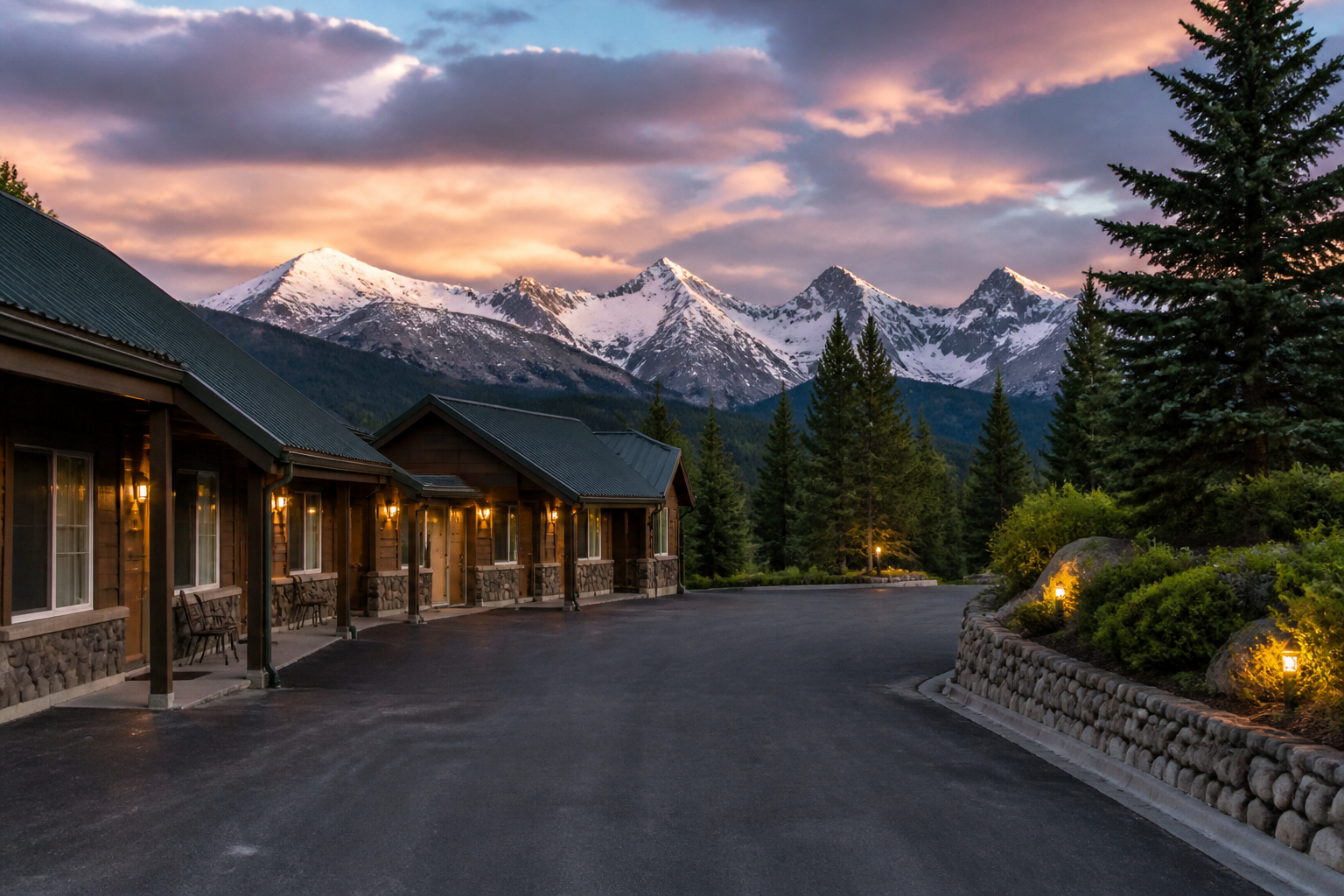
Mountain view lodging: practical checklists for booking the view you want
“Mountain view” can mean anything from a postcard panorama to a peek between trees and rooftops. If your trip hinges on waking up to ridgelines and sunsets, it pays to be precise before you book. Use the decision frameworks, checklists, and verification steps below to turn a vague promise into the exact view you’re after—and to enjoy it fully once you arrive.
Define what counts as a mountain view—for you
Before comparing properties, write down the specifics of the view you actually want. The clearer your target, the easier it will be to confirm it with a property or in listings.
- Framing: Do you want a wide, horizon-spanning panorama, or a framed view between trees and buildings?
- Direction: Are you hoping for sunrise light, golden-hour sunsets, or north-facing soft light all day?
- Distance: Do distant ranges appeal to you more than a dramatic, close-up peak?
- Foreground: Would you enjoy overlooking a pool, lawn, or open meadow in the foreground, or do you prefer an uninterrupted ridge line?
- Seating: Do you need a balcony, enclosed porch, or patio to sit outside with the view, or is a picture window enough?
- Time on site: If you’ll be out hiking or skiing most of the day, an in-room view might be less critical than a shared terrace you can enjoy at sunrise or evening.
Once you’ve defined these essentials, translate them into concise booking notes you can reuse when you contact properties or filter listings.
Compare room types and view tiers with a simple matrix
Properties often group views into tiers—“mountain view,” “partial mountain view,” or “standard.” Sometimes they’ll specify outdoor spaces like porches. To cut through the jargon, build a quick comparison matrix for any property you’re considering.
- View label: Mountain view, partial mountain view, standard.
- Outdoor access: Balcony, enclosed porch, patio, or none.
- Orientation: Stated compass direction or the side of the building.
- Obstructions: Noted trees, signage, roofs, or parking areas in the foreground.
- Floor level: Upper floors generally clear obstructions better than lower floors.
- Nearby amenities: Pool, lawn, or seating that gives you a comfortable place to actually use the view.
If the listing mentions features that support mountain viewing—like enclosed porches that face a pool area or rooms situated for convenient access—you can add these as pluses in your matrix to help break ties between options.
How to verify the view before you book
Never rely on a single listing photo. Use multiple verification methods so your expectations match reality.
- Cross-check the building’s location on a map and look at street view. Identify which side faces the mountains and whether nearby buildings or trees might intrude.
- Look for photo sequences rather than one hero image. Multiple angles from the same room type reduce the risk of a bait-and-switch from a single best-case room.
- Read recent guest photos and captions. They often clarify whether a “partial” view is a pleasant frame—or a sliver between roofs.
- Ask for specifics. When you contact the property, use precise, closed-ended questions like: “Do mountain-facing rooms have an outdoor seating area?” or “Which room numbers have the clearest view?”
- Confirm orientation and level. Ask which floors and building wings face the mountains. If outdoor areas such as a pool deck or lawn face the mountains, ask whether your room’s porch or window looks that direction.
For a deeper pre-booking walkthrough, see this internal resource on a detailed checklist for choosing a motel with mountain views.
Seasonal and trip-planning factors that change the view
Mountains don’t move, but conditions do. Consider how the season and your itinerary shape both what you’ll see and when you’ll see it.
- Leaf cover and foliage: In leafy seasons, trees can partially obscure distant summits. In leaf-off seasons, your sightline may open up dramatically.
- Sun path and daylight: Winter’s low sun can bathe peaks in warm light at midday; summer sunsets linger longer. Check sunrise and sunset times for your travel dates.
- Weather variability: Mountain weather changes quickly. Prioritize flexibility—plan more than one “view time” during your stay so clouds don’t steal your only window.
- Trip rhythm: Ski days start early; hiking days might end at golden hour. Choose a room orientation that matches when you’ll be back to enjoy the view.
- Quiet vs. lively foregrounds: If your view overlooks an amenity area, consider the time of day you’ll use it. Morning coffee on a quiet porch feels different from sunset by a lively pool.
Questions to ask any property before you reserve
Copy, paste, and customize these questions when you email or call. They’re designed to get clear, verifiable answers.
- Which room types currently face the mountains, and which floor offers the clearest sightline?
- Do the mountain-facing rooms include an outdoor seating area (balcony, enclosed porch, or patio)?
- Are there any seasonal obstructions (trees in leaf, seasonal décor, or sunshades) that affect the view?
- Can you share recent, unedited photos from the specific room type I’m booking?
- Is there a shared outdoor space oriented to the mountains that guests can use if the room view is limited?
- If I arrive late, will my assigned room still match the mountain-facing request on my reservation?
Booking tactics that protect your view
Even the best plan can unravel if your specific request isn’t recorded clearly. These tactics improve your odds.
- Mirror your request in writing. Add the view requirements to the booking notes and send a brief follow-up email summarizing the same details.
- Ask for room identifiers. If possible, request specific room numbers or a clearly described wing/floor.
- Time your arrival. If your itinerary allows, arrive during standard office hours so staff can confirm the assignment matches your notes.
- Screenshot the listing. Keep the room description and images you booked as a reference in case of confusion at check-in.
- Have a backup plan. Identify a second-best room tier or a shared outdoor spot in case weather or availability shifts.
Packing and on-site tips for enjoying the view
Small items can transform a good view into a memorable experience.
- Layered warmth: Mornings and evenings can be cool; a light jacket or blanket helps you linger on a porch.
- Glare management: A brimmed hat or polarized sunglasses make mid-day viewing more comfortable.
- Tripod or phone clamp: Handy for low-light mountain photos at dawn and dusk.
- Reusable mug or water bottle: Keep drinks handy so you can relax without extra trips inside.
- Binoculars: Spot distant fire towers, ridges, or wildlife.
Want to capture better images from your room? Explore these mountain-view room photography tips for composition, timing, and low-light techniques.
How to balance budget and view without regret
View premiums are common, but you can often optimize your spend without sacrificing the experience.
- Prioritize outdoor access over floor level if you’ll spend time sitting outside; a lower-level porch can beat a high-floor window-only view for actual enjoyment.
- Choose a “partial mountain view” if it still faces the right direction and includes seating; framed views can be lovely during golden hour.
- Leverage shared spaces. If a property offers a mountain-facing outdoor area you can access easily from your room, you may not need a top-tier room view.
- Match room to itinerary length. For one or two nights packed with activities, a strong shared-space view can be enough; for longer, slower trips, in-room views pay off.
Common pitfalls—and how to avoid them
- Assuming “mountain view” is identical across all rooms. Always confirm tier, orientation, and obstructions.
- Relying on a single hero image. Seek recent, room-specific photos or multiple angles.
- Ignoring seasonality. Foliage, snow cover, and daylight length all change how the mountains look and when you’ll see them best.
- Forgetting comfort. A porch you can’t comfortably use at the times you’re free isn’t as valuable as a slightly smaller view you’ll actually sit and enjoy.
Example inspiration for mountain-focused stays
Browsing a variety of properties can help you refine what you want from your own mountain view lodging. As you compare, look for how projects present orientation, outdoor spaces, and view context. For instance, you can scan the Banff Legacy Inn project overview to observe how some destinations frame their mountain setting in marketing materials. Use this as a lens for questions to ask anywhere you plan to stay.
FAQs about mountain view lodging
Is a higher floor always better for mountain views?
Higher floors often clear trees and nearby roofs, but they aren’t automatically better if they lose outdoor seating or face the wrong direction for the light you prefer. Weigh floor height against orientation and whether you’ll actually spend time on a porch or balcony.
How can I tell if “partial mountain view” will be good enough?
Ask for recent photos from the exact room type, confirm the viewing direction, and look for notes about obstructions. A partial view that faces the right way during your preferred time of day can be more enjoyable than a full view with no outdoor seating.
What if clouds or weather hide the mountains during my stay?
Plan more than one viewing window—early morning and late afternoon—to increase your chances. If there’s a shared outdoor area with mountain exposure, keep it in mind for quick weather breaks. Flexibility is key in mountain regions.
Do enclosed porches make a big difference?
They can. Enclosed porches extend your usable viewing time by blocking wind and adding comfort in cool or breezy conditions. If you love sunrise coffee or sunset reading with a view, an enclosed option can be worthwhile.
What should I do if I arrive late and worry about room assignment changes?
Before you travel, add your view details to the reservation notes and send a confirmation email summarizing them. Keep a screenshot of the room description. Upon arrival, politely verify the room orientation and, if needed, ask about alternatives that meet your original request.
Final checklist before you book
- Written definition of your desired view (direction, framing, seating).
- Matrix comparing view tiers, outdoor access, and level for your short list.
- Verification via maps, multiple photos, and clear Q&A with the property.
- Plan for seasonality: sunrise/sunset times and likely weather patterns.
- Booking notes mirrored by email, with room identifiers if available.
- On-site plan: comfortable layers, simple photo gear, and a fallback viewing spot.
Plan your stay
Make Briarcliff Motel your basecamp.