
A Practical Guide to Hotel Room View
Explore hotel room view with practical guidance, key questions, and clear next steps before you contact Briarcliff Motel or make a decision.
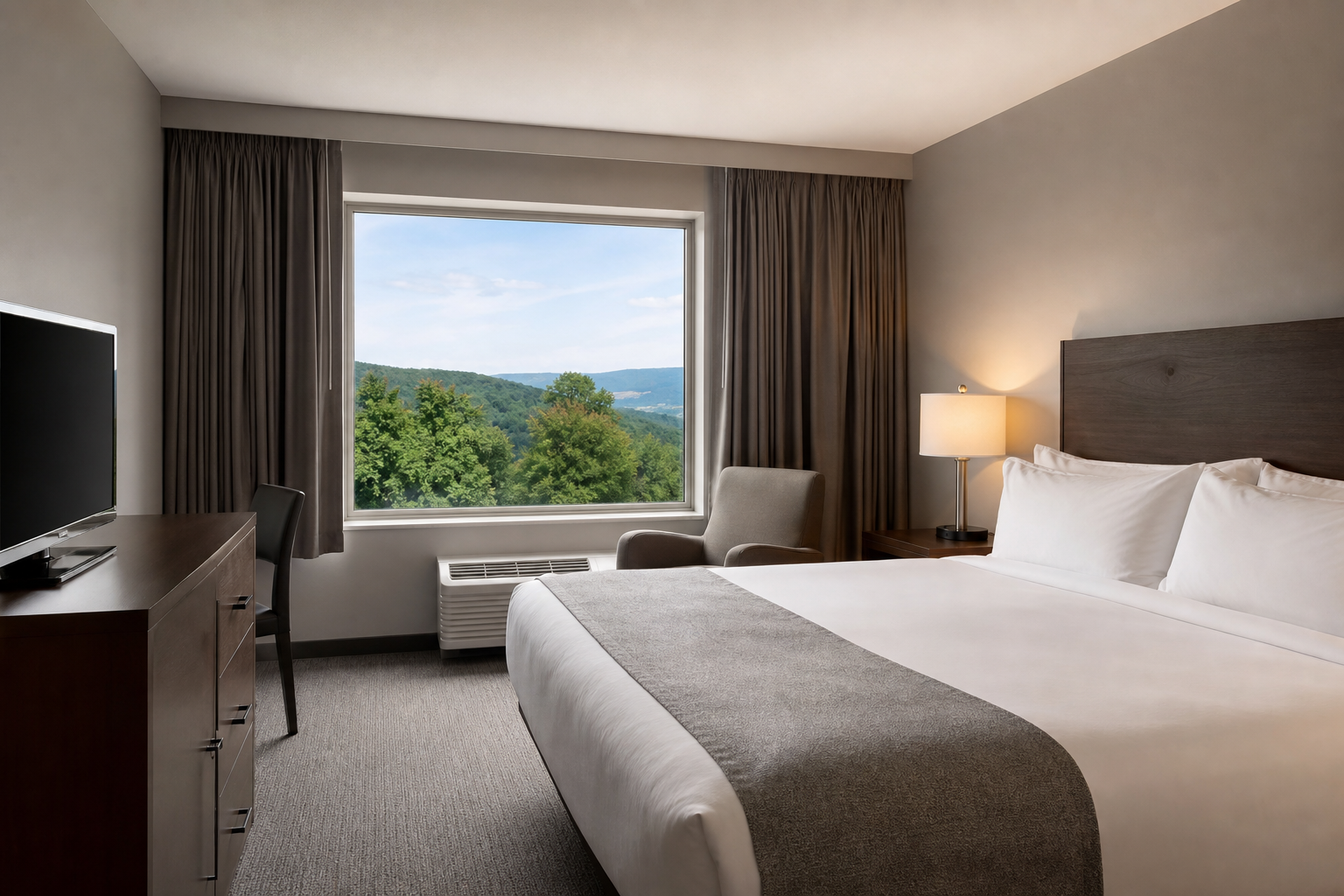
A Practical Guide to Hotel Room View
Whether you are chasing sunrise light, hoping to watch city lights sparkle at night, or simply avoiding a view of the loading dock, the view from your hotel room can shape your entire stay. This guide explains how hotels describe views, how to assess what matters for your trip, and the steps to request and secure a view that matches your expectations.
What a hotel room view really means
“Room with a view” sounds simple, but the term covers wide variations. Two rooms with the same label can feel very different depending on distance, angle, height, and obstructions. Understanding the vocabulary that hotels commonly use helps you translate labels into likely realities.
- Premium/guaranteed view: A specific scenic subject (ocean, landmark, mountains, river) is promised as part of the room type. Expect higher pricing and stricter cancellation or limited inventory.
- Partial view: The subject is visible, but only from certain angles, a portion of the window, or between structures/trees. Balcony posts, signage, or neighboring buildings may intrude.
- City/urban view: Typically a streetscape or skyline. Quality depends on floor, orientation, and distance from tall structures.
- Court/courtyard/pool view: Often quieter than street-facing rooms, with a view into an interior space. Lighting and activity levels vary by property.
- Garden/green view: Landscaped grounds, trees, or natural features close to the building. Seasonal foliage can improve or obscure sightlines.
- Standard view: The default catch-all, potentially including rooftops, parking, alleys, or mechanical areas. Not necessarily unpleasant, just unpredictable.
Within each of these, angle and height matter. A “mountain view” at ground level through trees can feel very different than a higher-floor vantage with a sweeping panorama.
How to choose the right view for your trip
Start by matching the view to your purpose. The best choice balances scenery with practical needs like rest, light, privacy, and budget.
- Romantic escapes: Prioritize uninterrupted outlooks (mountains, waterfront, skyline). Corner rooms and upper floors can add drama and privacy.
- Family stays: A courtyard or pool-facing room can help you keep an eye on activity. Weigh this against potential noise at active times.
- Work trips: Consistent light and quiet may beat a statement view. A garden or interior-facing room can minimize street noise.
- Photography-focused travel: Consider sunrise/sunset direction and seasonal conditions (foliage, snow, haze). A higher floor can reduce foreground clutter.
- Light-sensitive sleepers: Brighter urban views may come with neon or streetlights. Interior or garden views can be darker at night.
If you are unsure, make a simple priority stack: 1) subject (what you want to see), 2) angle/height (how well you see it), 3) light and noise control, and 4) budget. This framework keeps trade-offs clear.
Booking strategies that actually work
Securing a preferred view is part planning, part communication. Use these steps to reduce uncertainty.
- Choose the right room type: If the view is central to your stay, book a room category that specifically includes it. Generic categories leave more to chance.
- Add a precise request in your reservation notes: Be specific and concise: “High floor, mountain-facing if available; away from elevator/ice.” Vague requests are easier to overlook.
- Confirm orientation with a map: Study the hotel’s footprint on a map to see which sides face your desired subject. Note sunrise/sunset directions if they matter to you.
- Time your arrival: Earlier check-in windows typically offer the widest room selection. If arriving late, call ahead the day before and the morning of arrival to restate your request.
- Be flexible on details: If the exact view is limited, flexibility on floor or bed type can tip the scales in your favor.
- Ask at check-in: A polite, specific question (“Do you have any high-floor rooms facing the hills?”) can prompt agents to recheck availability.
Understanding orientation, height, and obstructions
Three variables drive most view outcomes: where the room faces, how high it is, and what stands between you and the subject.
- Orientation: Determine which sides face the scenic subject. For sunrises, look east; for sunsets, look west. South- and north-facing rooms vary in light quality by season and latitude.
- Height: Higher floors usually clear foreground clutter but can increase wind noise on balconies and exposure to light at night. Lower floors improve pool access and can feel more grounded.
- Obstructions: Trees, signage, neighboring roofs, and utility poles can limit sightlines. Seasonal foliage can transform a partial view into a full one—or the reverse.
When possible, ask whether the window or balcony directly faces the subject or if it is angled. Direct-facing windows usually provide the most satisfying experience.
Noise, privacy, and light: Balancing the trade-offs
A spectacular view can come with side effects. Clarify your tolerance for these factors in advance:
- Noise: Street-facing skyline views may include traffic or nightlife. Pool or courtyard views may be lively during the day.
- Privacy: Interior or courtyard views can have lines of sight to neighboring rooms and walkways.
- Light: Urban lights, reflective glass, and signage can brighten rooms at night. Consider eye masks or rooms with heavier drapery.
If quiet is crucial, request a higher floor and a room away from elevators, ice machines, and service areas—then weigh whether that changes your view preference.
Special room features that affect view
Two rooms with identical orientation can feel different because of window design and layout. Look for:
- Corner rooms: Often provide dual aspects and more natural light.
- Balconies or enclosed porches: Extend the vantage point and create space to enjoy the view without leaning against the glass.
- Window size and placement: Floor-to-ceiling windows increase immersion; smaller or higher windows reduce it.
- Interior layout: Bed placement relative to the window affects how often you engage with the view.
Seasonal and weather considerations
Seasonality can dramatically change what you see and how it feels:
- Winter: Clear air can produce sharp distant views; snow can reflect light and brighten nights.
- Spring: Budding trees may partially obscure views for a few weeks; storms can add drama.
- Summer: Foliage is lush, but humidity may soften long-range vistas; interior-facing rooms might be quieter during peak activity.
- Autumn: Colorful foliage adds depth; early sunsets shift “golden hour” earlier.
Match your expectations to the likely season: if you want far horizons, colder, clearer months may please; if you prefer texture and color, shoulder seasons can be best.
How to make a precise view request
Specificity and brevity are your allies. Consider this structure when you message or call:
- Lead with the view: “Request high floor facing the mountains if available.”
- Add one or two secondary needs: “Away from elevator/ice; non-connecting if possible.”
- Provide a reason (optional): “Light sleeper” or “anniversary” can help staff prioritize when options are tight.
Reconfirm a day before arrival and the morning of check-in. At the desk, politely ask whether any alternatives with a better view are available.
Budgeting for a better view
Views are a value lever. Consider how much time you will actually spend in the room and what else that budget could improve (location, dining, activities). A simple heuristic:
- Short stays (1 night): If the view is central to your purpose, pay for the category that guarantees it.
- Medium stays (2–4 nights): Weigh a partial-view category or request strategy to balance cost with satisfaction.
- Long stays (5+ nights): Small nightly premiums add up; consider negotiating at check-in or choosing strong standard-view rooms with excellent light.
Common pitfalls and how to avoid them
- Assuming labels are universal: One property’s “partial view” might beat another’s “premium view.” Always verify orientation and potential obstructions.
- Ignoring arrival timing: Late arrivals reduce available inventory to swap. If you must arrive late, reconfirm and keep requests visible on the reservation.
- Overlooking noise trade-offs: Great views sometimes pair with street or pool noise. If you are sensitive, request top floors and away-from-traffic sides.
- Forgetting window treatments: A stunning nighttime city view can mean bright rooms. Ask about blackout curtains if this matters.
- Not checking for connecting doors: These can increase sound transfer and may face busier corridors even when the external view is great.
Arrival day checklist
Use this quick sequence to maximize your odds without being a squeaky wheel:
- Have your request in writing on the reservation.
- Call the morning of arrival to reconfirm orientation/floor preferences.
- Arrive near the start of the check-in window when possible.
- Ask politely at the desk: “Is there a high-floor room facing [subject] available today?”
- If the first assignment is not ideal, ask whether alternatives may open later and whether a waitlist or move is feasible.
- Inspect the room immediately; if it does not match the booked category, return to the desk promptly for assistance.
Making the most of your view
Once you have the outlook you wanted, a few small habits can heighten the experience:
- Stage the space: Position chairs toward the window or balcony to turn the view into a focal point.
- Track golden hour: Check sunrise/sunset times so you do not miss peak light.
- Control reflections: At night, turn off interior lights and close partial sheers to reduce reflections on the glass when photographing.
- Ventilation and comfort: If you have a balcony or enclosed porch, adjust airflow to enjoy the view without drafts.
Frequently asked questions
Is a “partial view” worth it?
It can be, especially when you want a taste of the scenery without paying for a guaranteed premium category. A well-placed partial view can provide satisfying glimpses at key times of day. Verify likely obstructions and angle so your expectations match reality.
How do I know which side of the hotel faces the scenery?
Check an online map to see the building’s footprint and surrounding landscape, then note compass directions. The side that faces your subject (mountains, water, landmark) is the one to request. If the property has multiple wings, ask whether your preferred orientation is available in your room type.
What if I arrive late and the view I wanted is not available?
Late arrivals reduce flexibility, but you still have options: ask if a next-day move is possible, whether cancellations just came in, or if rooms with similar orientation exist on different floors. Reconfirming earlier in the day can help keep your request top of mind.
Do higher floors always mean better views?
Often, but not always. Higher floors can clear rooftops and trees, but they may bring more exposure to wind on balconies and lights at night. If intimacy, quick outdoor access, or pool proximity matter, a lower floor with direct-facing orientation can outperform a distant high-floor angle.
How specific can I be without overstepping?
Be precise about the few things that truly matter: the subject you want to face, floor preference (high/low), and any noise concerns. Keep the request brief and courteous. Overly complex lists are harder to honor.
Can I confirm the exact room number in advance?
Policies vary. Many properties assign rooms on the day of arrival to balance housekeeping, maintenance, and stayover patterns. You can still note preferences and ask whether a particular wing or stack typically offers the orientation you want.
Next steps
Plan your stay
Make Briarcliff Motel your basecamp.