
Family lodging: how to choose the right place for every age and budget
Explore family lodging with practical guidance, key questions, and clear next steps before you contact Briarcliff Motel or make a decision.
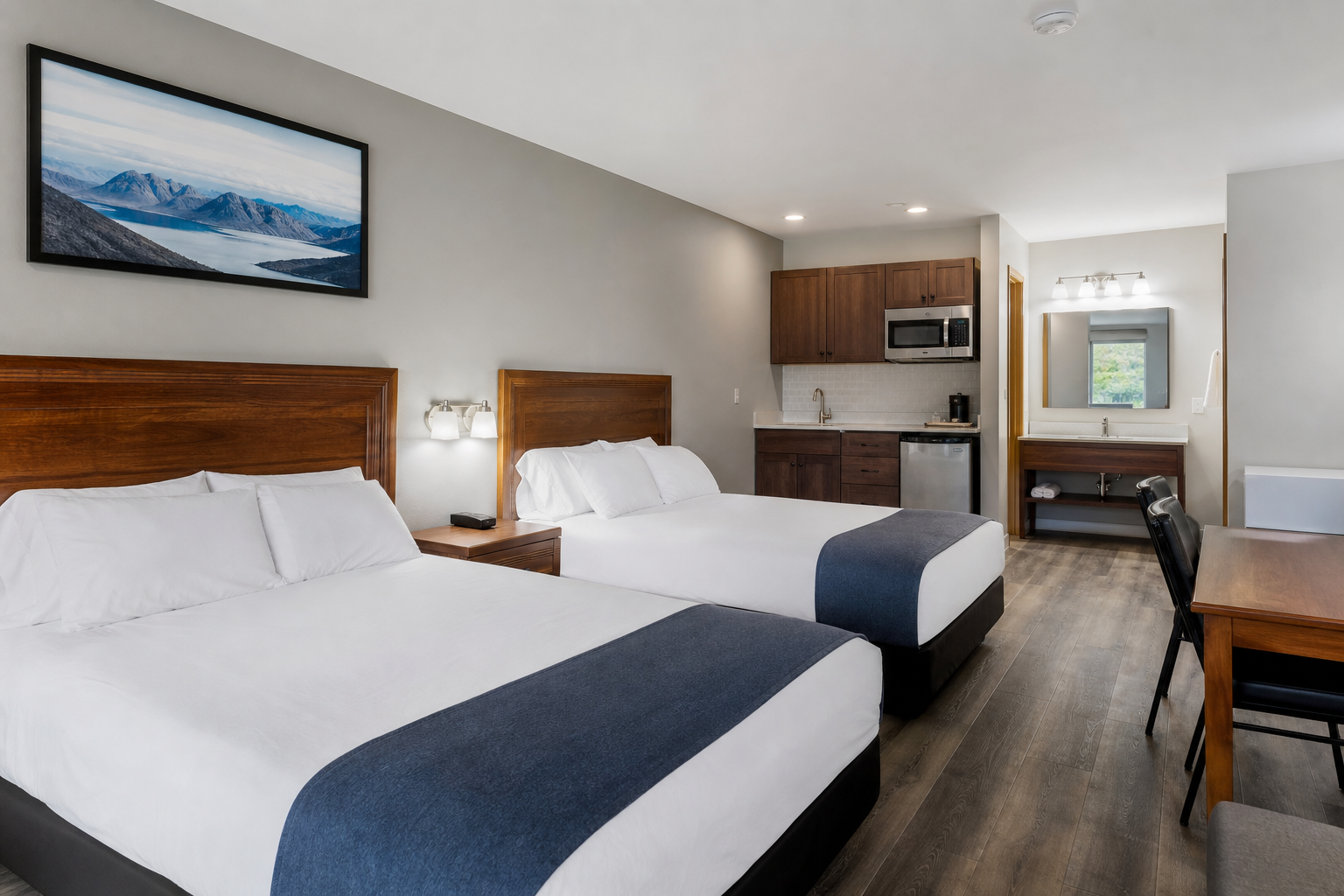
Family lodging: how to choose the right place for every age and budget
When you search for family lodging, you’re really looking for a stay that balances comfort, flexibility, and value—without creating new stress. This guide gives you a clear, reusable framework for choosing accommodations that fit the size of your group, your kids’ ages, and your budget. Use the checklists and questions below to narrow choices confidently and avoid common surprises at check‑in.
What “family lodging” really means
Family lodging is any accommodation designed or well suited for households traveling together. It’s less about a specific property type and more about whether the stay supports family needs across sleep, meals, downtime, and safety. The right pick will make transitions—arrival, nap time, meal breaks, early bedtimes—feel easy rather than restrictive.
- Space that matches real headcount, luggage, and strollers without feeling cramped.
- Sleep arrangements that fit your group’s rhythms (early sleepers, light sleepers, late risers).
- On‑site or nearby conveniences for meals, snacks, and quick resets.
- Predictable policies for kids, quiet hours, parking, and late arrivals.
- Simple, clear communication before and during the stay.
Key factors to prioritize before you book
Start with these essentials to quickly eliminate poor fits and focus on good candidates.
-
Group size and composition.
Count every sleeper and consider ages. A layout that works for two adults and one toddler may fail for two adults, a teen, and grandparents. Ask whether capacity numbers assume sleeper sofas or rollaway beds.
-
Sleep quality.
Separate bedrooms, doorways, or partial dividers help when nap times or bedtimes vary. If one child is a light sleeper, check whether rooms face busy roads or communal areas.
-
Food flexibility.
Mini‑fridge, microwave, or kitchenette options reduce dining costs and help with early breakfasts, bottle prep, and snacks. Confirm what’s actually in the room (e.g., freezer compartment, cookware).
-
Bathroom logistics.
Families cycle through showers quickly. Ask about water pressure, ventilation, and whether there’s a tub if you have little ones who don’t love showers.
-
On‑site downtime.
Look for spaces where kids can decompress: a pool, a lawn, a porch, or a quiet nook. Even a small outdoor area can turn restless energy into rest.
-
Parking and access.
Ground‑level or adjacent parking makes loading strollers, coolers, and gear less of a chore. Ask about stairs, elevators, or exterior corridors if accessibility matters.
-
Policies and communication.
Clarify children’s policies, quiet hours, late check‑in procedures, and how to reach staff after hours. Confirm the contact method you should use if plans change en route.
-
Total trip value.
Compare the full cost, not just the nightly rate. Factor in parking, extra beds, resort or facility fees, and the savings you gain from in‑room food prep or on‑site amenities.
Room setups that work by age group
There’s no single best layout for family lodging; it depends on ages and routines. Use these patterns as a starting point.
- Infants and toddlers: A standard room with a crib or pack‑and‑play works well if you can create a dark, quiet corner. A balcony or porch helps adults unwind after bedtime without disturbing naps.
- Early school‑age kids: Two queen beds or a queen plus sleeper sofa offers flexibility. A tub in the bathroom is useful. Nearby outdoor space or a pool gives them a short, supervised activity window.
- Preteens and teens: Consider adjoining rooms or a small suite for privacy and staggered bedtimes. Reliable Wi‑Fi matters for entertainment and planning the next day’s activities.
- Multigenerational groups: Split layouts (two rooms near each other) can beat one large suite if quiet hours and wake times differ. Prioritize short walks from parking to doorways and straightforward temperature control.
Before you book, request precise bed types and locations (e.g., “two queens plus a sofa bed in the same room,” or “separate bedroom with a door”) to avoid surprises.
Amenities that deliver outsized value
Not all amenities affect family comfort equally. Focus first on the features that create the biggest day‑to‑day wins.
- Climate control you can manage: Individual room controls help when nap time needs a cooler room but the living space doesn’t.
- Food storage and prep: A mini‑fridge for milk, snacks, and leftovers is high value. A microwave can save a meltdown when dinner runs late.
- On‑site or nearby recreation: A pool, lawn, or porch gives kids an outlet and adults a pause button.
- Sound buffering: End‑unit rooms, upper floors, or layouts away from high‑traffic areas reduce nighttime noise.
- Parking proximity: Door‑adjacent or short‑walk parking simplifies unloading and reloading during day trips.
- Clear late‑arrival steps: If you might arrive after office hours, ask how check‑in works and which phone number to call if anything changes.
Budgeting for family lodging without sacrificing comfort
Low price and low stress can coexist if you evaluate the full picture. Here’s a simple way to compare apples to apples.
-
Calculate the “all‑in” nightly cost.
Add base rate + taxes/fees + parking + extra bed fees. Subtract savings from in‑room meals or free activities you’ll actually use.
-
Value time as well as dollars.
Shorter walks to your door, quick food prep, and easy naps often save more sanity than a slightly cheaper rate far from everything.
-
Prioritize sleep and logistics.
Better beds and practical layouts typically pay back in energy for the next day’s plans.
-
Aim for flexibility.
Moderate cancellation windows and straightforward change policies reduce risk if a child gets sick or weather changes plans.
Booking smart: questions to ask before you confirm
Clear communication prevents almost all day‑of‑arrival surprises. Use this pre‑booking checklist to verify details specific to family lodging.
- What’s the exact bed configuration and where are doors/dividers?
- Is a crib, rollaway, or pack‑and‑play available, and is there a fee or limited quantity?
- Is late check‑in possible? If so, what are the precise steps and contact numbers?
- What’s the policy on food heating and storage (microwave, fridge, freezer compartment)?
- Are there nearby places for quick groceries or takeout?
If you book via a third‑party site, save confirmation numbers and message threads in one folder. If you need to modify or cancel, communicate through the same channel so the paper trail is consistent.
Packing and prep that make stays smoother
Small, strategic items can transform a basic room into a flexible family base.
- Sleep kit: white‑noise app or compact sound machine, blackout clip or tape, night light, favorite blanket or stuffed animal.
- Food kit: collapsible cooler, zip bags, reusable utensils, disposable plates, quick breakfast staples, snacks that don’t crumble into carpets.
- Bath kit: bath spout cover, gentle soap, small laundry bag, extra towels if space allows.
- Organization: packing cubes by person, over‑the‑door organizer for toiletries and chargers.
- Rain or downtime: compact games, a deck of cards, coloring pads, or a pre‑downloaded show for each kid.
- Arrival plan: keep one small bag accessible with pajamas, toothbrushes, and tomorrow’s outfits so you can settle in without unpacking everything.
Safety and accessibility considerations
Make a quick safety scan part of your routine when you arrive. It takes three minutes and prevents most mishaps.
- Check window locks, balcony latches, and door bolts; confirm kids can’t reach them easily.
- Scan for tripping hazards: loose rugs, cords, uneven thresholds.
- Note hot‑surface risks: heaters, lamps, radiators, or exposed poolside areas.
- Test water temperature before baths; adjust if there’s a mixing valve.
- Confirm the nearest exit routes and where your key/phone will stay overnight.
If accessibility matters, ask in advance about entryways, parking distance, step‑free routes, elevator access, and bathroom layouts (grab bars, shower thresholds). Photos and a short phone call can clarify details quickly.
Common pitfalls to avoid
- Assuming “sleeps 4” equals comfort. That number can include a small sofa bed or narrow bunks; ask for measurements.
- Booking a complicated layout for short stays. Suites are great, but if you’re out all day and just need easy sleep, proximity to parking and a predictable bedtime routine might matter more.
- Overpacking bulky gear. If you won’t actually use an item daily, it’s likely not worth the trunk space.
- Ignoring communication channels. If arrival time shifts, use the property’s stated contact method so your message is seen by the right person.
Mini checklist you can screenshot
- Exact bed types and room dividers confirmed in writing
- Late arrival steps and contact saved to your phone
- Mini‑fridge/microwave availability verified
- Parking location and distance understood
- Tub vs. shower confirmed if traveling with small kids
- Quiet hours or noise policy noted
- Packing cubes, night light, sound machine ready
- First‑night pajamas and breakfast items on top
FAQ: family lodging
Is a suite worth it compared to two standard rooms?
Suites add a living space and often a kitchenette, which can reduce dining costs and make mornings easier. Two standard rooms sometimes cost less and provide more total beds and bathrooms. If you value a shared common area for downtime with doors that close, a suite wins; if you need extra beds and multiple showers, two rooms can be better.
What should I confirm about late check‑in for family lodging?
Ask for step‑by‑step instructions, where to pick up keys, which number to call if plans change, and how to access your room if you arrive after office hours. Save the instructions offline in case reception is spotty.
How can I keep food simple without a full kitchen?
Leverage a mini‑fridge and microwave for breakfasts and snacks: yogurt, fruit, oatmeal cups, and reheatable leftovers. Pack a small cutting board, a paring knife in a sheath, and reusable utensils. Reserve dining out for one main meal to balance cost and convenience.
What’s the quickest way to kid‑proof a room on arrival?
Do a two‑minute sweep: lock windows and balcony doors, move cords out of reach, set the thermostat, test water temperature, and relocate fragile decor. Establish a charging station and a spot for the key so mornings stay calm.
Next step
Plan your stay
Make Briarcliff Motel your basecamp.